
The following case study was completed for Entrepreneurial Marketing Strategy (Marketing 767). The assignment was to write a 7-page paper on an entrepreneurial company that is no more than seven years old.
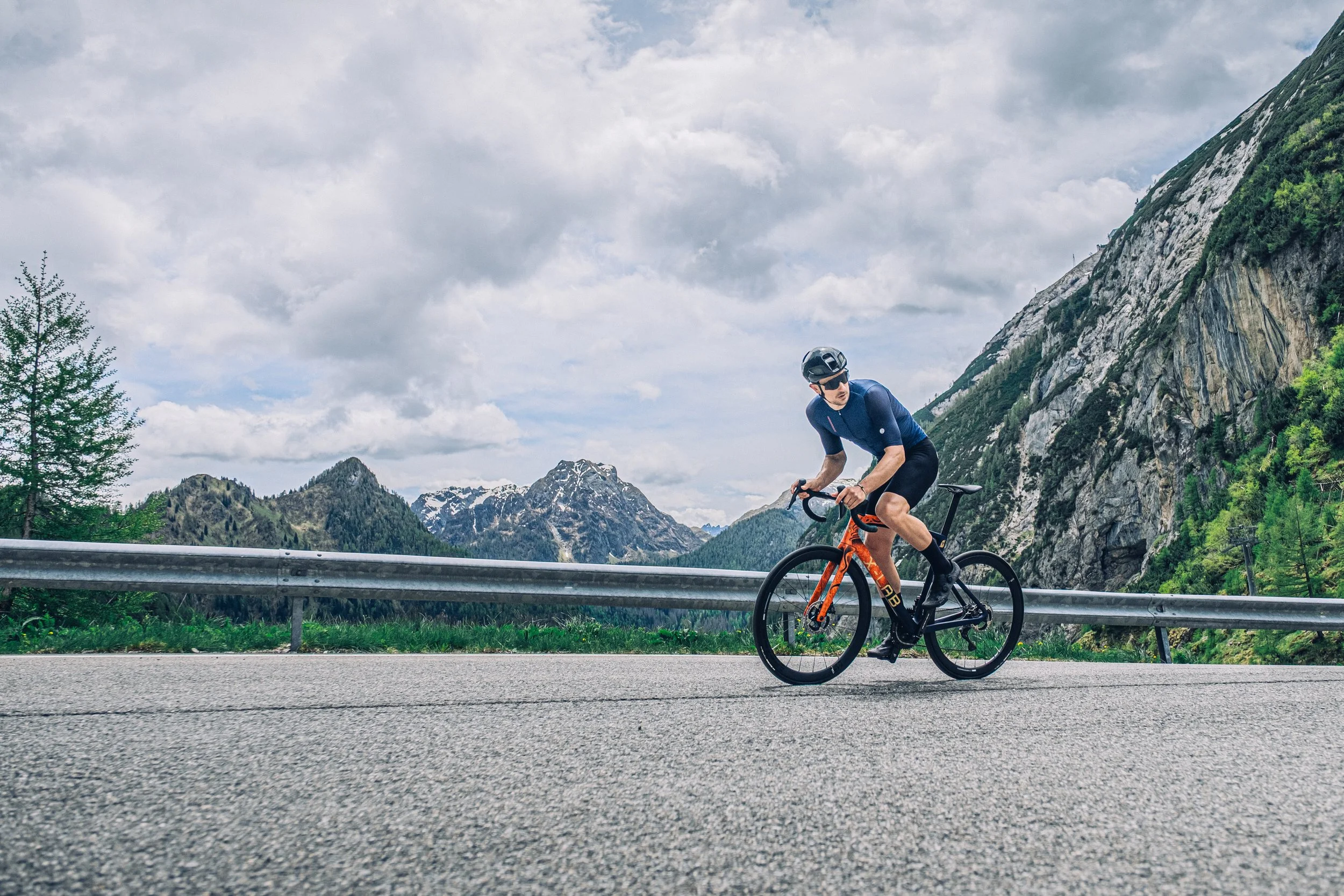
The Bike Behind the Bikes: X-LAB Is Betting Vertical Integration Can Fix a Broken Industry
How are you supposed to bring in new riders when you price them out before they even start? The bicycle industry has been grappling with that question as the average purchase price of a bike is projected to rise 69% between 2019 and 2029, according to Statista.
After enjoying record demand and profits during a pandemic-fueled boom that caused consumers to seek outdoor recreation options, sales have contracted as layoffs, reduced profits and uncertainty around tariffs have slowed growth industry wide. Pre-boom, Trek Bicycle had 2,082 employees in December 2019, according to PrivCo. After nearly doubling to 3,918 by December 2025, it shed 20% of its workforce in multiple rounds of layoffs. The industry’s capacity planning problem is also evident elsewhere. Giant, a Taiwan-based manufacturer reported its first quarter 2026 sales were down 25.7% year-over-year. Meanwhile, Canyon, a German-based direct to consumer challenger brand that launched in the U.S. in 2017 reported its 2025 sales decreased 7% year-over-year. That was the third straight year of losses for the company as it laid off 320 people in January 2026.
Despite such headwinds facing the industry, it’s projected to grow to $10.3 billion in 2029 in the US and $70 billion worldwide, according to Statista.
In April 2026, an incumbent manufacturer launched a consumer facing brand to leverage its experience in engineering, materials and components.
Meet X-LAB
XDS is a massive Chinese-based manufacturer of carbon bicycles. As an OEM manufacturer, it builds 8 million bikes annually for brands such as Specialized, Trek and Cannondale. In April, XDS announced it was bringing its three decades of experience in engineering, materials and components to a consumer facing, branded competitor called X-LAB.
At a time when interest in cycling is expanding worldwide, fueled in part by electric mobility and growing demand for outdoor activity, the industry faces structural challenges and artificial friction. Fragmented supply chains, inaccessible consumer entry points, and punishing dealer agreements have made performance cycling hard for new riders to enter and even harder for retailers to sustain, X-Lab said in a press release announcing its launch.
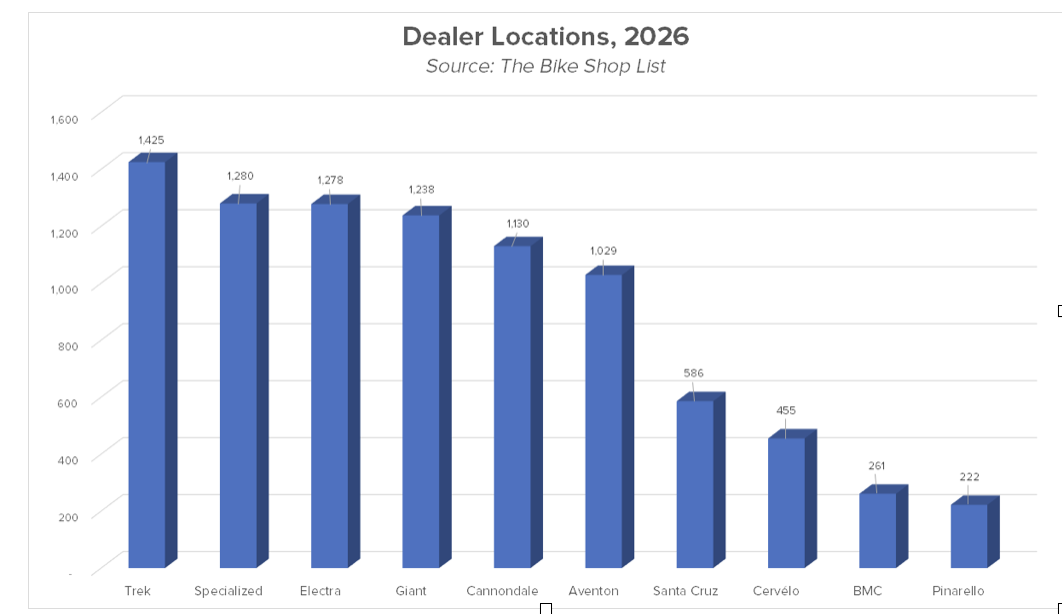
The competitive landscape of the retail bicycle industry has depended on bicycle dealers. Since the 1970s, brands such as Trek and Specialized, then later Giant and Cannondale, have succeeded with a network of independent dealers with brick-and-mortar locations. Trek has 1,425 dealers, Specialized has 1,280 dealers, Giant has 1,238 and Cannondale has 1,130, according to The Bike Shop List. Together, this quadrumvirate represented 65% of all independent bicycle dealer (IBD) sales and 39% of all bike sales. “In a mature category like bicycles, where technology gains are at best incremental, that makes the retail shop floor a primary target for differentiation,” Rick Vosper wrote in Bicyle Retailer and Industry News in 2021.
Trek began acquiring its own stores in 2015, eventually growing its footprint to between 100 to 200 stores. These direct owned stores allow the brand to control its brand, customer and product experiences across its product lineup. In 2022, Specialized announced it was interested in acquiring dealers to add to its portfolio of 10 corporate owned locations. Whether or not the dealers are direct owned, consumers are supported by brand’s dealer networks because the retailers have direct access to service parts and can directly handle service claims, warranties and recalls.
In 2017, German-based Canyon entered the U.S. market as a challenger brand by selling its lineup of bicycles directly to consumers. In bypassing the dealer network, Canyon was able to eliminate the markups and commissions passed onto buyers. This lack of dealer overhead translated to 20% to 30% lower prices. However, where Canyon succeeded in reducing prices, its lack of technical and warranty assistance hampered its market penetration. And its sales only account for 3-5% of U.S. bicycle purchases.
In response, Trek, Specialized, Cannondale and others allowed consumers to buy bikes directly on their website and ship them home to match Canyon’s convenience.
When X-LAB launched in April, it didn’t just enter as a direct-to-consumer brand to rival Canyon, it simultaneously launched with a network of 40 dealers, a number that already grew to 60 by May and 170 in mid-June. Where Canyon bet that consumers would trade service for savings, X-LAB is betting they shouldn't have to choose.
Strengths, Weaknesses, Opportunities, Threats
Strengths
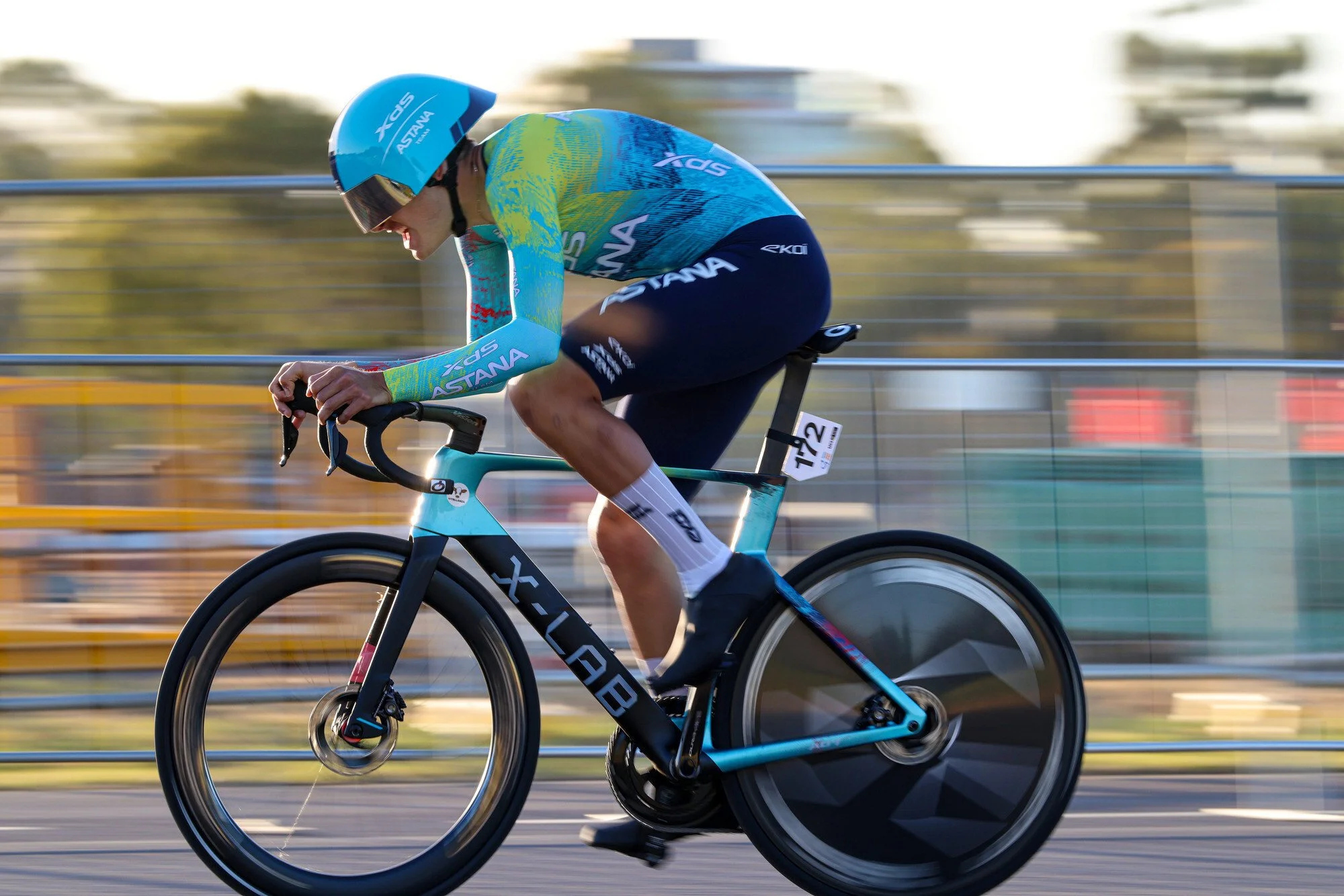
X-LAB’s strengths start in their vertical integration. On the back of XDS’ manufacturing scale and expertise, it has structural cost advantages no Western brand can replicate in the current model. X-LAB bikes are equipped with a frame, fork, handlebars, wheels and power meter all manufactured in the same place, so they’re not reliant on third-party component suppliers beyond the bike’s drivetrains, which are supplied by Shimano. Another strength is the brand’s decision to sponsor the WorldTour cycling team XDS-Astana. This provides proof-of-performance credibility when racing Grand Tours such as The Tour de France alongside establishment brands.
Finally, the go-to-market strategy relying on IBDs is important as challenger brands have attempted to bypass them for direct to consumer sales.
“High-performance bicycles aren't purely transactional. Fit, setup, service, education, and ongoing support are essential to the experience,” XDS International CEO Edwin Tan said in a press release. “That experience begins in a shop, with professionals who know riders, know the local terrain, and know how to care for good bikes long term."
Weaknesses
X-LAB’s weaknesses are its brand recognition. Starting virtually from scratch as a brand, X-LAB has almost no foothold in the 15 markets it launched in which include Norway, Japan, and Australia. Another weakness is the consumer perception around Chinese-made premium products.
While it’s true that trusted brands in the Big Four outsource frame and component manufacturing to XDS and other Chinese manufacturers, there has been a perception in the industry that Chinese products are unsafe or unreliable. This has been borne out of cheap counterfits sold on sites like AliExpress.
“Since I started a YouTube channel in 2016, there’s been a crazy change in the stuff coming out of China – the difference between Chinese products/brands now and 10 years ago is night and day,” Joe Whittingham told Bike Radar in March. Whittingham has turned his YouTube channel, China Cycling, into a vetted online marketplace of Chinese bikes and components called Panda Podium.
With roughly 60 dealers, or about 1% of the Big Four's combined network, X-LAB is decades behind on service and warranty infrastructure. And Branta, X-LAB’s in-house component brand is unknown and unproven comparatively.
Opportunities
X-LAB’s largest opportunity is in its pricing strategy. Patrick Pan, X-LAB’s head of international growth, said the brand is focused on making exceptional bikes that are economical and accessible.
“If we wanted to make it a price people would feel comfortable with, we would have had to artificially inflate it, and we’re not going to do that,” he told cycling journalist Ben Delaney at launch.
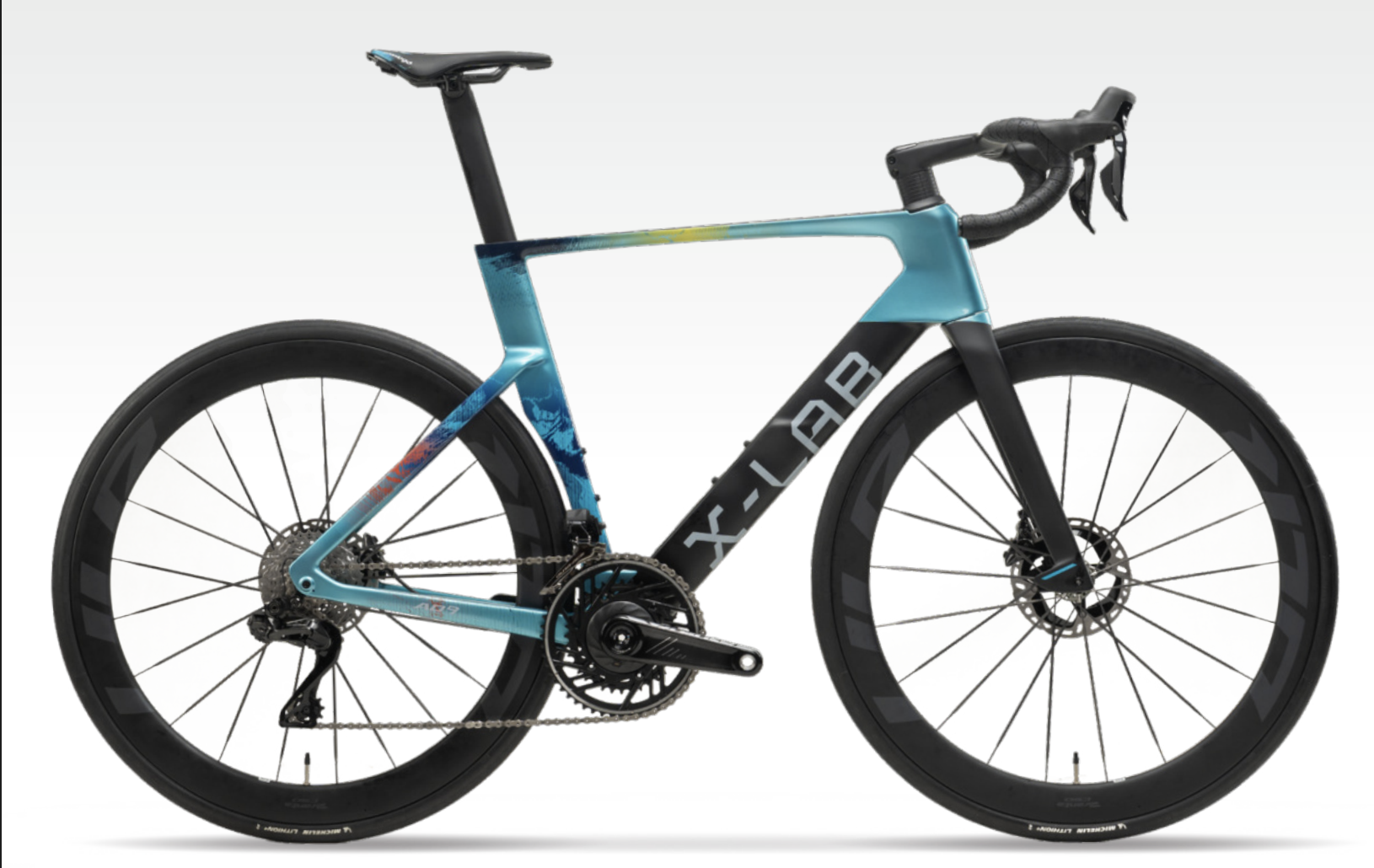
For example, X-LAB’s flagship road bike, the AD9, retails for $7,999. That significantly undercuts Trek’s flagship offering which is $12,899 and Canyon’s Aeroad at $10,499.
In addition to top-tier road bikes, X-LAB launched with a total of nine models, including options in the fast growing categories of gravel and e-bikes.
Threats
The brand trust gap is an immediate threat to X-LAB’s success that could take years to close. This year, Trek is celebrating its 50th anniversary with a robust campaign building on its heritage that includes limited edition bikes and a documentary film. X-LAB is also uniquely vulnerable to tariffs and trade policy volatility. While the top brands mitigate this risk by working with multiple manufacturers in different countries throughout Asia, X-LAB’s manufacturing output is tethered to mainland China.
A cost advantage only matters if it reaches the rider. The question now is whether X-LAB's marketing strategy can convince anyone to buy one.
Who X-LAB is for
X-LAB should target three consumer segments with its current lineup of nine bikes. The primary segment is the “spec-savvy performance cyclist.” Aged between 28-50, this person has disposable income, already owns one high-end road bike, and follows industry trends. This person is making their purchasing decisions based on spec-per-dollar, rather than brand background or lifestyle aspiration. They’re also skeptical of marketing and trust independent reviews via podcasts and YouTube channels. They’re also likely aware of Canyon’s direct-to-consumer model and are open to purchasing challenger brands. This consumer should be prioritized because they’re the easiest to convert into a buyer and can generate a halo effect that builds awareness for the next two segments.
The secondary segment is the IBD customer upgrading from an entry-level road bike. This consumer is older, or an entry-level cyclist who bought an aluminium bike during the pandemic and is now ready to upgrade. They’re interested in the local bike shop experience to assist with fit and service.
The third segment is e-bike commuters and casual riders. This segment has a wide-funnel and X-LAB’s entry price of $799 opens that up.
Positioning: Performance Without the Markup
X-LAB is positioning itself as a brand that’s offering WorldTour performance at half the price. Instead of competing with Canyon’s DTC model, or Trek and Specialized’s heritage, they’re going after the traditional cost structure of the industry. By starting from the premise of designing the whole system together, better performance and economics are unlocked at the same time.
"The bicycle industry has incredible heritage, and we respect that deeply," XDS CEO Edwin Tan said in a statement at the brand’s launch. "But when engineering, manufacturing, and supply chain live in different places, innovation becomes painfully slow, and costs rise needlessly.”
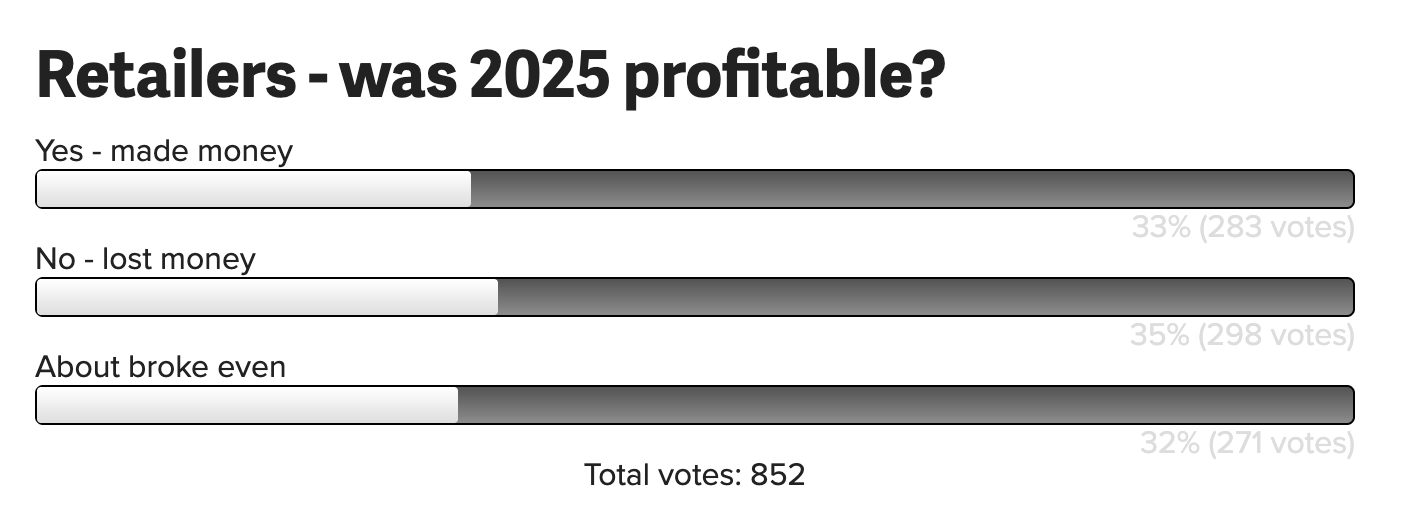
X-LAB is also aware of the retail landscape it’s jumping into. Earlier this year, Bicycle Retailer and Industry News polled retailers on if they were profitable in 2025. Of 852 total votes, 33% reported they made money, 35% said they lost money, and 32% said they broke even.
As dealers report financial strain, they’re also saddled with dealer agreements from the Big Four which force them to front-load inventory commitments, navigate complex incentive structures and compete against programs that undercut their business. X-LAB is promising its partner dealers they will have transparent terms that don’t pass along excess risk. The brand is also lauding its supply chain efficiency and confidence in demand forecasting as a benefit.
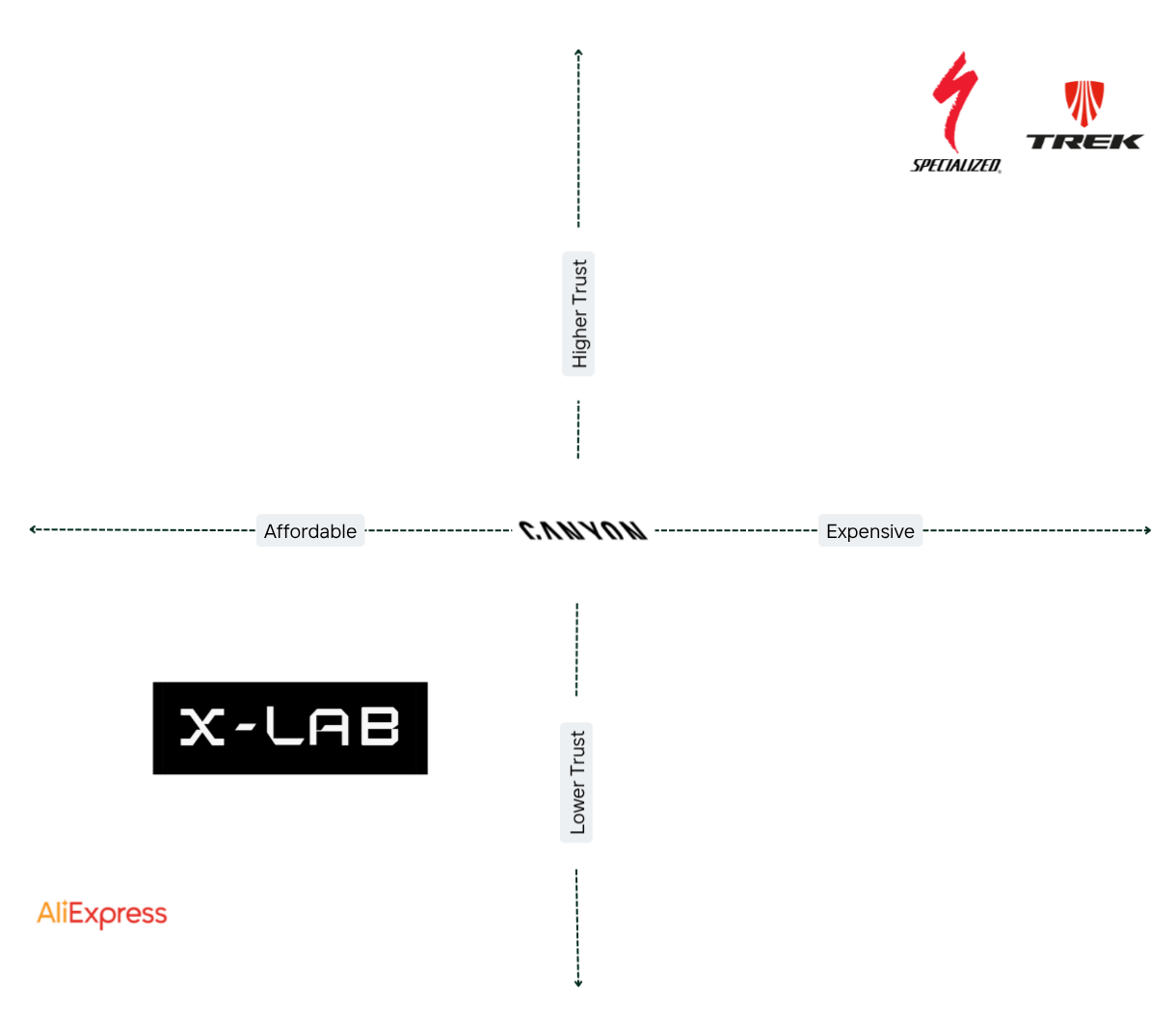
X-LAB is working to move up the trust axis by using IBD partnerships while holding a structural price advantage.
A Name Built for Credibility
The brand name X-LAB is derived from the company’s engineering prowess and precision. This name is appropriate for a brand that’s trying to signal technical expertise. And compared to fellow Chinese challenger brands, it’s more legitimate and commercial than Winspace, and less self-consciously European than Tavelo.
Between its website and media kit, X-LAB has a few slogans. “Engineered in house. Built to perform.” is one found on its website that describes their whole lineup. Another is “Chasing New Horizons.” This is a more effective tagline because it’s more aligned with the brand’s positioning to transform and grow the industry. However, it’s fairly generic and could be attributed to almost any outdoor recreation brand.
Earning trust
The IBD retail channel is the primary channel to prioritize. X-LAB launched in April with 40 dealers and has grown to approximately 170 as of mid-June. In doing so, the brand is positioning itself as a partner to bike shops, not a threat. X-LAB’s U.S. operations are also based in Los Angeles, where they are able to fulfill domestic orders out of a warehouse. This allows for fulfillment times that match the largest brands.
X-LAB offers direct-to-consumer purchases on its website, but that’s not the most important channel to target. Offering DTC sales keeps it in-line with every other brand that’s offering convenience.
X-LAB has been using earned media very effectively since its launch. Online publications such as Bikerumor, Velo and Cyclingnews generated a lot of coverage at launch that reached its core consumer audience. Cycling Weekly also was granted an all-access factory tour that it published in an hour long video. This long-form video gave brand credibility and showed the attention to detail and expertise the brand is bringing.
Its influencer and brand ambassador strategy is also effective. At launch, X-LAB made Patrick Pan available to several YouTubers and podcasters during Sea Otter, one of the biggest industry expos. Now that the brand has launched successfully, it’s important to get bikes into the hands of YouTubers and podcasters who can offer honest reviews on how the bikes compare to established rivals.
Honest Pricing
Marketing That Works tells the story of how Warby Parker determined its price. After pitching the company with $45 glasses, a pricing expert told the co-founders that the price was too inexpensive, so people would question their quality. This led the brand to settle on a $95 price point.
X-LAB avoids this trap by staying premium enough to signal quality while undercutting established brands. Its pricing logic isn’t “cheap” but “honest” because they’re charging what the bike actually costs to make, rather than pricing to protect a margin structure.
Going down the lineup, X-LAB’s flagship AD9 is 40% cheaper than comparable flagships sold by Trek and Specialized. It even undercuts Canyon’s Aeroad CFR by 25%, which is remarkable considering Canyon is already a DTC price disruptor.
For the intermediate rider seeking an upgrade, the RS7 offers features such as electronic shifting and a power meter at least $2,000 cheaper than the comparable Specialized spec. And for the e-bike commuter, X-LAB’s ST5+ offers a mid-drive experience for $1,000 less than Specialized.
Conclusion: Growing the Pie
X-LAB is positioned incredibly well as a new entrant to the bicycle market and is the most structurally disruptive since Canyon brought a DTC model to the US almost 10 years ago. What differentiates it from Canyon is the advantages it has in the vertically integrated supply chain.
Its niche isn’t a product category in the bicycle industry, but a position in the value chain. Western competitors can’t match its cost structure and other Chinese brands don’t have the same WorldTour credibility and IBD distribution.
The market opportunity is also very solid. What’s interesting in that framework is that X-LAB isn’t trying to threaten the dominance of the market leaders. Patrick Pan, X-LAB’s head of international growth, said at launch “nobody wins unless we grow the pie itself.”
This fits directly with the definition of a challenger brand in Eating the Big Fish where the three criteria are state of market, state of mind and rate of success. X-LAB isn’t the number one brand, or a niche. And their expanding dealer footprint is already exhibiting a rate of success.
Sources:
https://system-privco-com.libproxy.uww.edu/signin?redirect=/search/company
https://escapecollective.com/layoffs-overstock-retail-decline-and-debt-trek-is-in-trouble/
https://www.bikeradar.com/features/long-reads/chinese-bike-brands-revolution
https://veloracycling.com/news/xlab-sports-basement-california-expansion
https://www.statista.com/study/14483/bicycle-industry-in-the-us-statista-dossier/
https://cdn.shopify.com/s/files/1/0790/2504/5719/files/XLAB_2026_MediaKit.pdf?v=1774607132
https://www.bicycleretailer.com/international/2026/01/20/canyon-reduce-workforce-320
https://www.bicycleretailer.com/node/40193/results
https://www.bicycleretailer.com/international/2025/03/14/giant-operating-profits-down-60-last-year
https://www.pandapodium.cc/?srsltid=AfmBOor3N25P8MGz0cwswQiPGMw2ywHj99VgKN_kj89EYtR4vxJTJLjx